
Managing a large team can be incredibly rewarding, but it also comes Leading a large team can often feel like a juggling act, with constant demands pulling you in different directions. One of the most significant challenges is the frequent need to put out fires—tackling urgent issues that arise unexpectedly and diverting your focus away from your original agenda. Here’s a deeper look at this common concern and some effective strategies to manage it.
Understanding the Challenge:
When you manage a sizable team, the sheer volume of interactions, tasks, and responsibilities can lead to unpredictable challenges. Issues may arise from various sources: misunderstandings among team members, customer complaints, technical problems, or unforeseen external factors. Each fire you need to extinguish can create a ripple effect, consuming your time and energy and often leaving you with little room to focus on long-term goals or strategic planning.
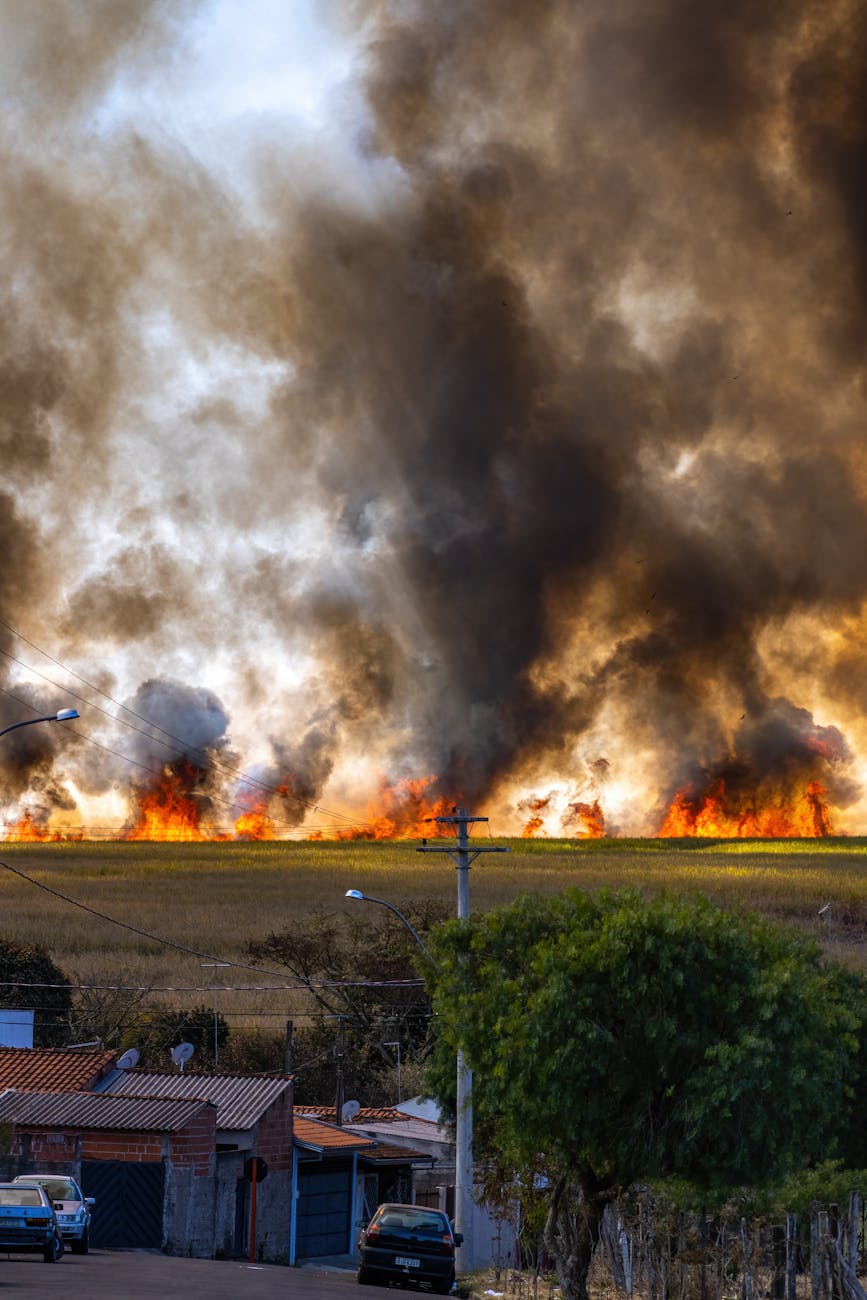
The Impact of Firefighting:
- Stress and Burnout: Constantly reacting to emergencies can lead to increased stress levels, not just for you but also for your entire team. The pressure of always being in crisis mode can result in burnout and a decrease in overall morale.
- Lost Productivity: When your day is derailed by unexpected issues, it can affect your productivity significantly. You may find yourself spending time on tasks that don’t align with your priorities or organizational goals.
- Decreased Team Autonomy: If you’re always the one putting out fires, your team may become overly reliant on you to solve problems. This can prevent them from developing their problem-solving skills and taking ownership of their work.
- Lack of Focus on Growth: Firefighting can consume your time, leaving little room for strategic planning or innovation. As a leader, your focus should ideally be on guiding the team towards growth and improvement, not just managing crises.
Strategies to Mitigate the Issue:
- Prioritize and Organize: Begin each day by reviewing your priorities. Identify which tasks are urgent and which can be scheduled for a later time. Use a productivity tool or a simple to-do list to help you stay on track. This can help create structure amidst the chaos.
- Empower Your Team: Invest time in training your team to handle specific issues independently. Delegate authority and create a culture where team members feel confident making decisions. The more empowered they feel, the less they will need to rely on you for every little problem.
- Set Clear Expectations: Clarity is key. Ensure that every team member knows their responsibilities and the expected outcomes. When everyone understands their roles, it reduces confusion and the chances of issues escalating unnecessarily.
- Foster Open Communication: Establish a communication system where team members can bring up concerns or potential issues before they become crises. Regular check-ins and feedback sessions can help address problems early on, preventing them from spiraling out of control.
- Schedule Time for Issues: Recognize that surprises will happen. Allocate specific time slots in your calendar for addressing unexpected challenges. This way, you’re not derailed entirely from your day’s agenda, and it gives you a structured way to engage with issues as they arise.
- Reflect and Adjust: After a period of intense firefighting, take some time to reflect on what triggers these issues. Are there patterns? Are there systemic changes that could help reduce the number of fires you need to put out? Use these insights to implement changes to avoid similar scenarios in the future.

Conclusion:
Firefighting is an inevitable part of leadership, especially when managing a large team. However, by employing strategic measures, you can reduce the frequency and intensity of these challenges. By prioritizing your tasks, empowering your team, and fostering effective communication, you can shift your focus from constantly addressing issues to leading your team toward success. Balancing leadership with proactive problem-solving will not only benefit you but will also cultivate a more resilient and capable team.

 TAKE BACK YOUR LIFE
Leave a comment